
I still remember my first real perfume. Not the drugstore impulse buy I made at nineteen, but the first fragrance I chose deliberately — after months of research, testing on skin, and visiting a specialty boutique where the consultant spent forty minutes understanding what I actually wanted instead of just selling me the most expensive bottle. That fragrance became part of who I was for three years. It was not the most expensive fragrance I have ever owned. It was the most considered.
The process of finding a signature fragrance is one of the most personal things you can do for yourself. It is also one of the most commonly done badly — people tend to overthink it, underthink it, or make the decision based on marketing rather than what they actually enjoy smelling. Here is how to do it properly.
Start With What You Actually Like
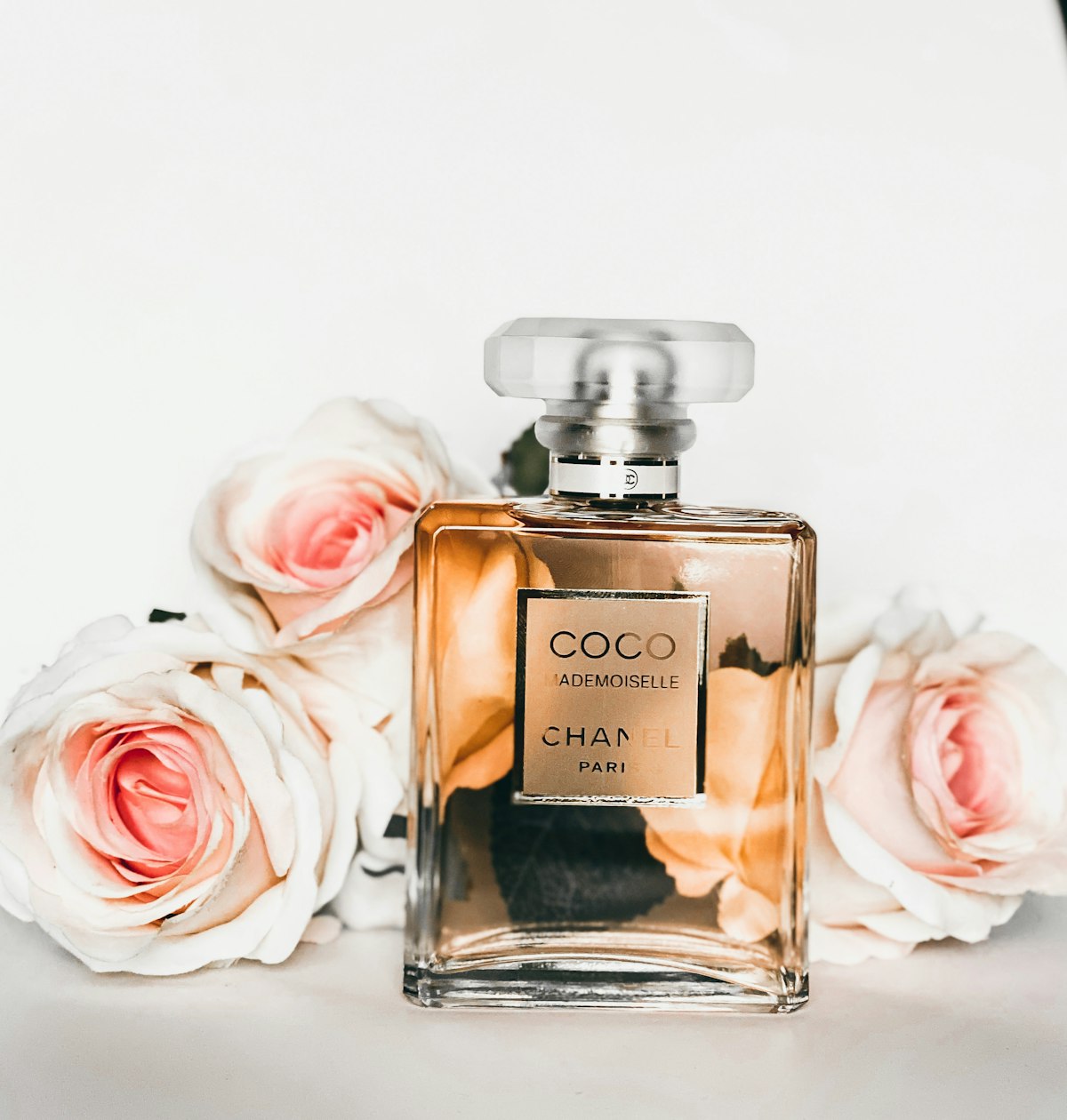
Before you go anywhere near a perfume counter or online store, ask yourself a simple question: what smells do I actually enjoy? Not what you think you should enjoy, not what is fashionable, not what your favorite celebrity endorses — what smells do you find yourself drawn to? Think about candles you have burned in your home, bath products you have repurchased, flowers that stop you in a garden. These are clues to your olfactory preferences that are far more reliable than brand names or price tags.
Most people's preferences fall into one or two fragrance families. The seven main families are: Floral, Oriental (amber, incense), Woody, Fresh (citrus, aquatic, green), Spicy, Chypre, and Gourmand (foody, sweet). If you love jasmine gardenias in the summer, you are probably a floral person. If you love the smell of sandalwood in a spa, you are probably a woody person. These categories are not perfect — most fragrances cross categories — but they are a useful starting point.
Test on Skin, Not Paper
The single most important rule of fragrance selection: always test on your actual skin. The纸上测试 is misleading because it does not account for your skin chemistry — the way your unique body heat, oils and pH interact with the fragrance molecules to produce the final scent. A fragrance that smells transcendent on paper can smell completely ordinary on your skin, and vice versa. The fragrance that becomes your signature is the one that smells extraordinary on you specifically.
When you test at a store, spray one fragrance on your wrist and let it develop for at least thirty minutes before making any judgement. Then go about your day. The top notes evaporate within fifteen to thirty minutes — what you are left with after that is the heart and base, which is the scent that will define the fragrance. If you still love it after four hours of wearing it through a normal day, you have found something worth considering seriously.
Consider Your Life, Not Just Your Preferences
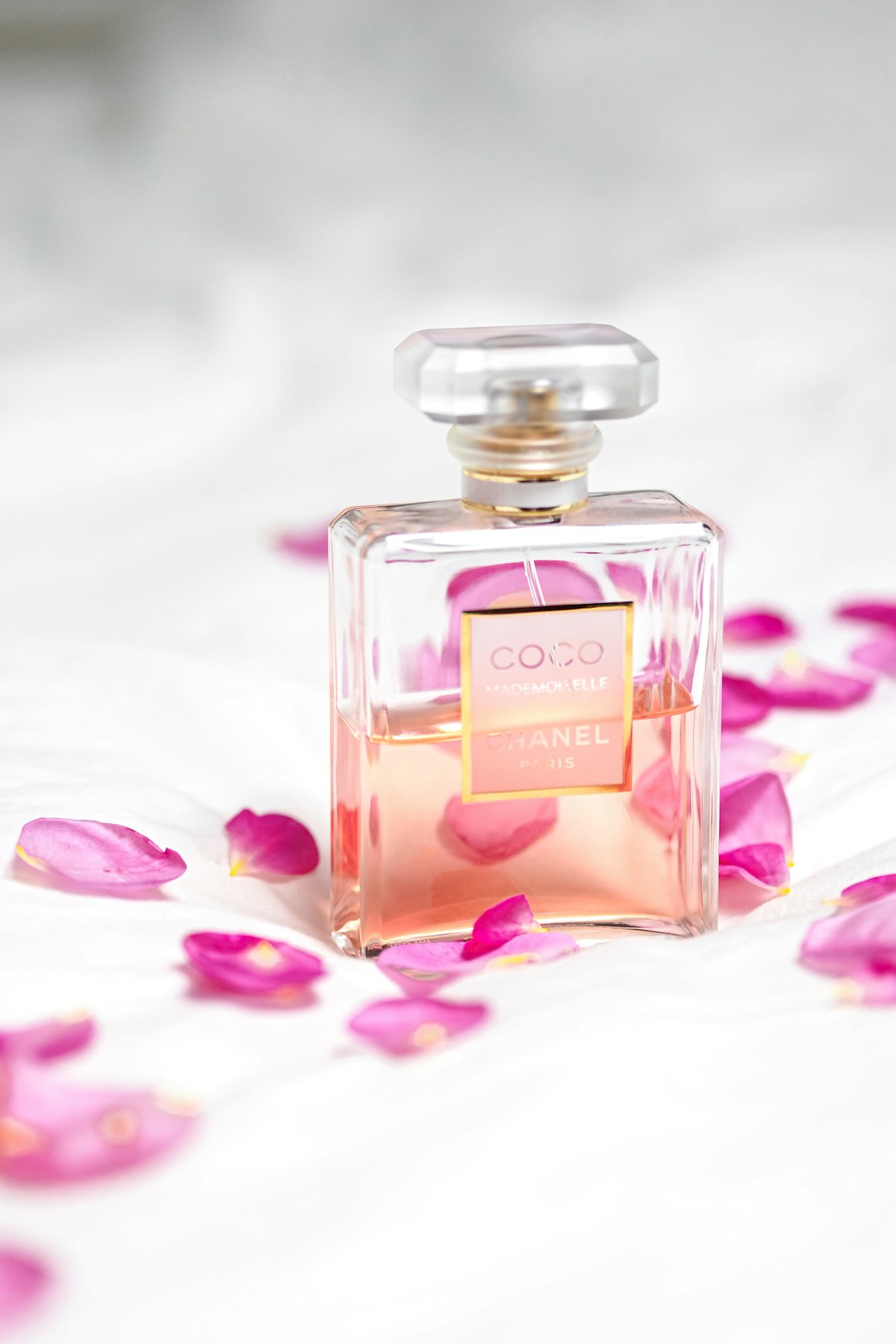
The most common mistake people make when choosing a signature fragrance: they buy something that smells amazing in a bottle but is completely wrong for their life. A heavy, sillage-monster oriental that fills a room might be spectacular for evening events but is a social nightmare in a small open-plan office. A barely-there fresh aquatic might be perfect for the beach but disappear completely within two hours at an evening dinner.
Think about when and where you will wear this fragrance most. Your signature scent should be appropriate for at least 80% of the situations you encounter in normal life. If you spend most of your time in professional settings, something versatile and not overwhelming is more useful than something that announces your arrival. If you dress up most evenings, you have more flexibility. The best signature fragrance is one you can wear confidently everywhere you go.
Use the Fragrance Finder Tool to get personalized recommendations based on your preferences and lifestyle, or the Occasion Scent Tool to find the right fragrance type for your typical situations.