
Some of the most extraordinary fragrances you will ever smell are no longer made. Not because they failed commercially — some were among the bestsellers of their era — but because the ingredients they were built around became unavailable, regulated out of existence, or too expensive for modern commercial production. These discontinued fragrances, known collectively as vintage fragrances, represent an enormous treasure trove of olfactory experiences that simply do not exist in modern form.
The word vintage is used loosely in fragrance circles. Strictly speaking, a vintage fragrance is one made before a significant reformulation — the point at which the manufacturer changed the composition. Many fragrances are reformed multiple times during their market life. The fragrance you buy today of a given name may smell substantially different from the same named fragrance from twenty years ago. Understanding this is critical to understanding why vintage fragrance collecting is a real and serious pursuit for enthusiasts.
Why Formulations Change
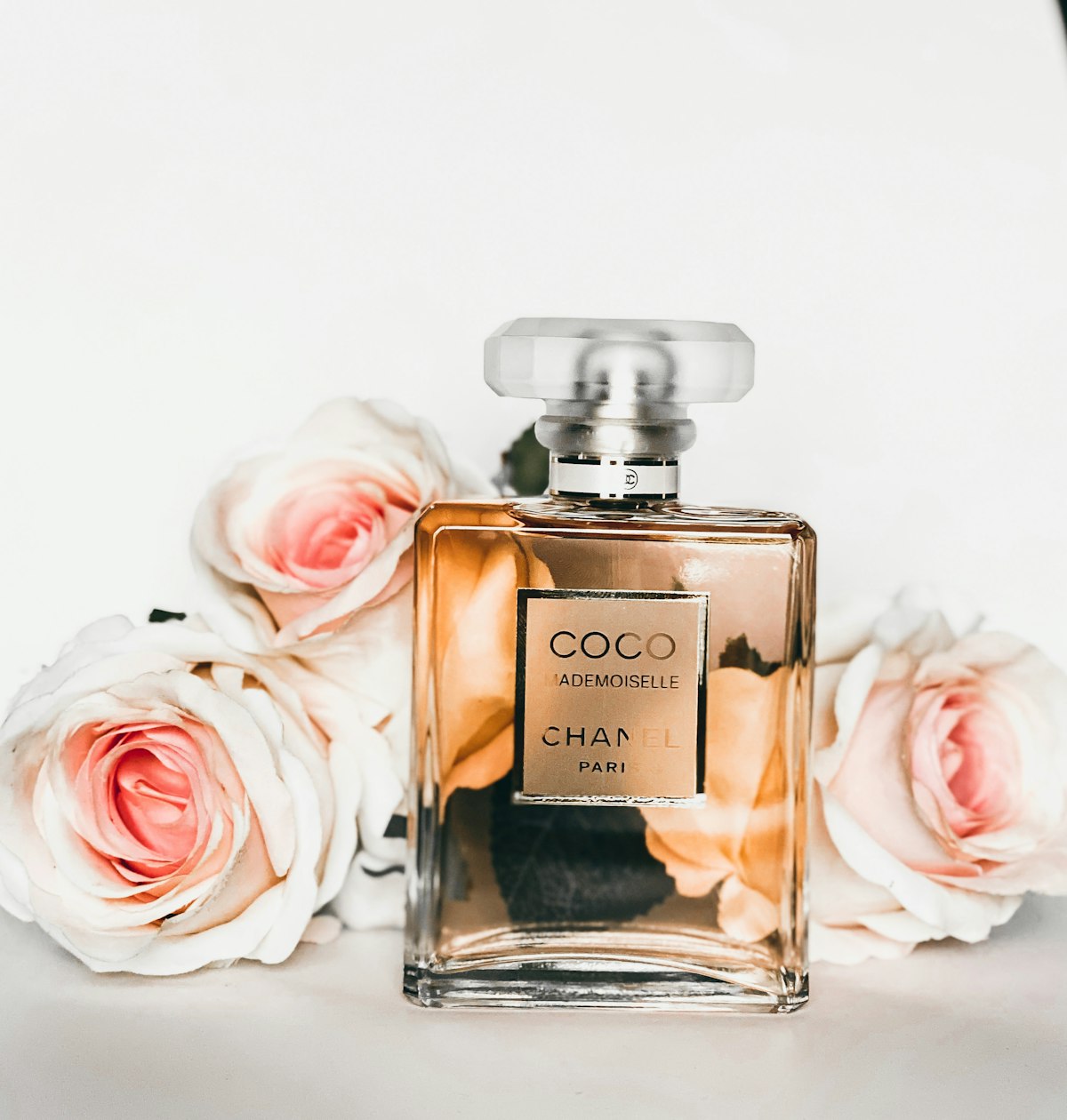
Three forces drive reformulation. First: ingredient availability. Natural materials fluctuate in price and availability season by season, year by year. A fragrance built around Bulgarian rose absolute at a certain price point might become economically impossible when rose harvests are poor or when demand outstrips supply. The perfumer must find alternatives that approximate the original effect within the same cost structure.
Second: regulation. International fragrance regulation has tightened considerably since the 1990s, particularly in the European Union. Certain materials that were standard components of classic fragrances — oakmoss, coumarin, several synthetic musks — have been restricted or banned due to allergenic or environmental concerns. Fragrances built around these materials had to be reformulated, sometimes dramatically. The classic Chanel Pour Monsieur is substantially different today from its original 1955 formulation. Guerlain Shalimar has been reformulated multiple times as regulatory pressure has removed its original components one by one.
Third: cost engineering. As fragrance houses were acquired by large conglomerates, pressure increased to maintain profit margins. Original formulations using expensive natural materials were gradually replaced with less expensive synthetics that approximated the original effect. This is not always done cynically — sometimes the synthetic alternatives are genuinely excellent. But the cumulative effect is a gradual dilution of character across many classic fragrances.
The Hunt Is Part of the Joy
Vintage fragrance collecting is a niche within a niche, but it has a passionate community. The hunt — finding the right bottle, at the right price, in the right condition — is genuinely exciting. Estate sales, eBay, specialized vintage fragrance forums, and dedicated resellers form the ecosystem. Prices range from trivial to extraordinary depending on rarity and condition. A forgotten bottle of a discontinued classic found at a garage sale can be worth hundreds of dollars. A carefully stored bottle of something genuinely rare can be worth thousands.
The practical consideration: buy from sellers who understand storage conditions. Fragrances that have been stored badly — in heat, light, or with degraded caps allowing evaporation — may be essentially finished even if the bottle appears full. The test is always on skin. If it smells flattened, synthetic or fundamentally wrong, the fragrance has degraded regardless of what the label says. For modern fragrances, use the Fragrance Finder Tool to find excellent current alternatives.