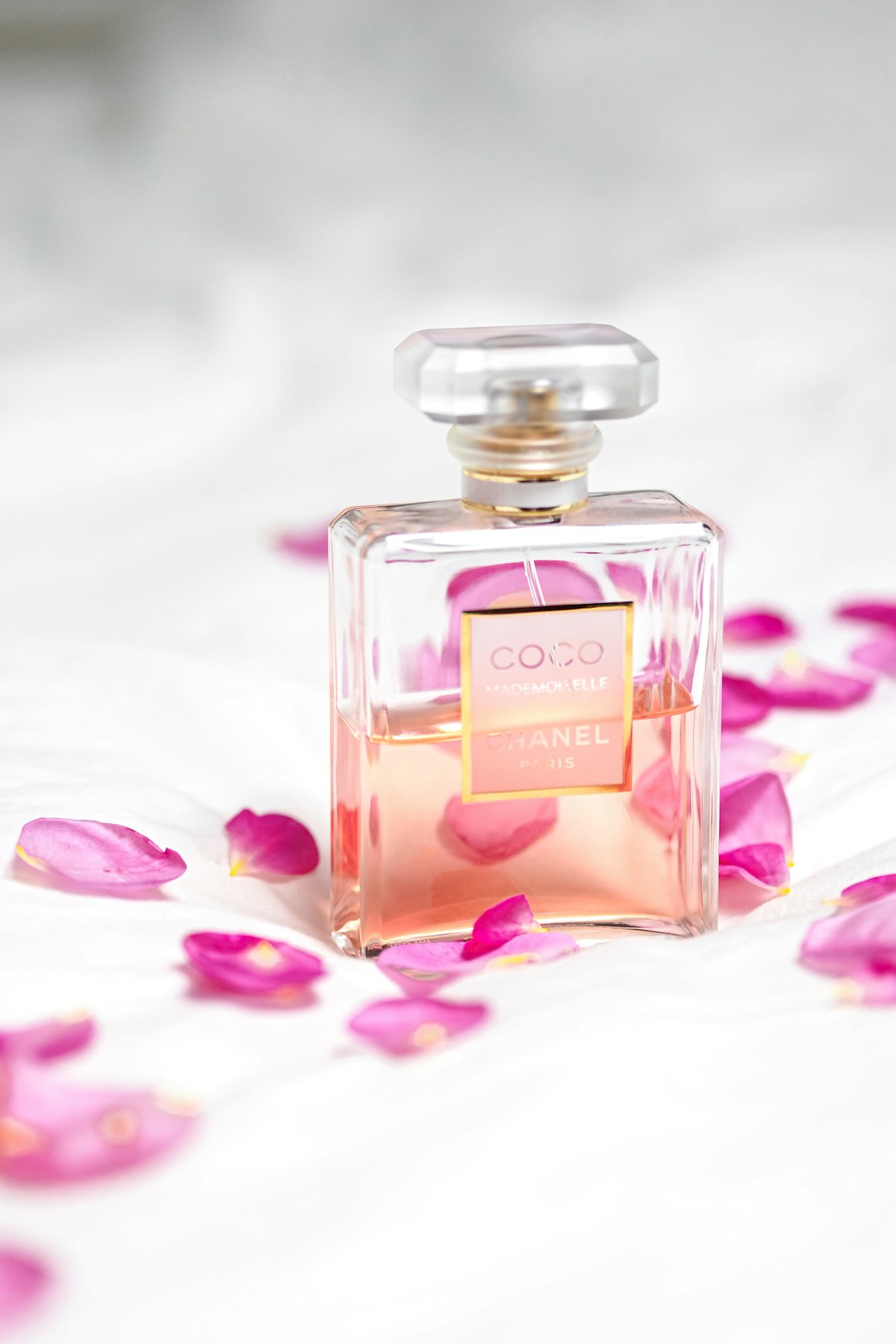
The distinction between niche and designer fragrances is one of the most misunderstood in perfumery. The common wisdom — that designer fragrances are mainstream commercial products while niche fragrances are artistic, exclusive and superior — is not wrong exactly, but it misses the nuance that actually matters for your purchasing decision. The niche-versus-designer debate is less about quality and more about intent. Understanding that distinction will help you spend your money more wisely.
Designer fragrance houses are, first and foremost, fashion houses, beauty conglomerates and lifestyle brands. Chanel makes clothes. Dior makes clothes. Yves Saint Laurent makes clothes. Fragrance is a profitable extension of those core businesses, and the fragrances are designed to be broadly appealing, safely beautiful and commercially successful. That does not mean they are simple or shallow — some of the greatest fragrances ever made are designer fragrances. It means they are designed to please as many people as possible, which inevitably involves compromise.
What Makes a Fragrance "Niche"

A niche fragrance house is typically one that makes only fragrance — no clothes, no accessories, no broader fashion agenda. Serge Lutens, Le Labo, Byredo, Amouage, initio Parfums Prives, Xerjoff — these houses exist to make fragrances, and the fragrances are designed to serve the vision of the perfumer or the brand rather than to hit a sales target for a product category. This creates space for compositions that are unusual, challenging, distinctive and sometimes polarizing. A niche fragrance does not need to be liked by most people. It needs to be loved by some people.
This distinction has real implications for your experience as a wearer. Niche fragrances are more likely to be distinctive and memorable. They are also more likely to be divisive — a fragrance that a small group of people love passionately and everyone else finds strange. Designer fragrances are more likely to smell pleasant to most people, and less likely to provoke a strong reaction in either direction.
Is Niche Actually Better?
The honest answer: sometimes. Not automatically, and not even most of the time in objective quality terms. The perfumers working at major designer houses — Jacques Polge at Chanel, Francois Demachy at Dior, Anne Flipo at various — are among the most skilled noses in the industry. The materials available to both designer and niche houses are largely the same. The idea that niche fragrances are inherently superior because they cost more is marketing nonsense.
What niche fragrances often do better is: originality. Because they do not need to be commercially safe, they can take risks that designer fragrances cannot. They can build around unusual ingredients (certain rare resins, specific vintage materials, unusual combinations) that would not pass commercial viability testing at a major brand. And they can create compositions with genuine artistic vision rather than market research. Whether that translates to something you will actually enjoy wearing is a separate question. Use the Fragrance Finder Tool to discover what you actually prefer.